Monday, May 2, 2011

Digital Art

In today’s society it is difficult to talk about any subject without discussing how it has been affected by the digital age.  This is true in the art world as well.  Art has been greatly affected by the surge in the use of digital media.  In today’s society the internet and other forms of media have made art more accessible to the public since it is no longer necessary to visit a gallery or museum in person in order to see a particular piece of art.  Also, the digital age has brought about a new medium in which art can be created.  Some artists prefer the use of a computer and make digital images on the screen to drawing or sculpting objects.  Furthermore, the use of digital cameras has allowed artists to make sure they have the shots they need in order to complete their work before leaving a photo shoot.  Below are some examples of digital art. 


Vanessa Beecroft

Vanessa Beecroft works of art are interesting because each performance she puts on spurs many other pieces if art.  This is due to that fact that each performance has video recordings and photographs taken which can be exhibited as separate pieces of art.  Her work is a fusion of conceptual issues and concerns focusing primarily on performance art.  Each performance is made specifically for that location and often references the political, historical, or social associations of the place where it is held.  I really like that her work is simply which leaves much up to the viewer for interpretation causing the viewer to ask themselves thought provoking questions about what they truly believe.  Below are some of the pieces of hers that I found particularly interesting. 


Conceptual Art & Fred Wilson

I enjoyed looking at the work of Fred Wilson and other conceptual artists.  This is a form of at that is more about the idea of the piece and less about the execution.  The artist can lay out their ideas for the concept in step by step instructions that can carried through by anyone.  The main artist highlighted in class was Fred Wilson.  He is most known for his tear drop collection piece.  It was most interesting to see him put this piece together in the video we watched.  The individual process that each artist goes through to create their individual pieces amazes me.  There are so many different techniques that can be used and in this class we got to look at and determine our own feelings toward each different technique.  There are many more than discussed but I am definitely more aware of the different types of visual art.  I included some different conceptual art pieces that I thought were interesting.  The first is Fred Wilson’s piece.  The second and third are variations on the same concept of three different chairs.  This is by the artist Joseph Kosuth. 


Why You Should Buy Art

Why You Should Buy Art


Today in class, we looked a piece of art called, "Why You Should Buy Art" by William Powhida. I thought that this was a very interesting piece. This piece is a sheet of notebook paper that lists 26 different reasons why a person should purchase art. I found it to be very interesting because many of the reasons are very creative and ones that most people would not think of. It is also very interesting how most words are written with a black outlining, making the words white. There are several words, however, that are written in a different color to make the word pop. This piece can be bought from the website http://www.20x200.com/ for a price between $20 and $200. I also found this website to be very interesting. The products on this site are exclusive, limited-edition pieces of art. They are also museum quality and come with a certificate of authenticity that is signed by the artist. The proceeds made from this site directly support the artists.

Sunday, April 3, 2011

Damien Hirst


In class, we discussed the English artist, Damien Hirst. Damien Hirst won the Tate Gallery Turner Prize in 1995. Hirst's most famous works are centralized around death and dead animals. He is most famous for preserving animals including a shark, a sheep, and a cow. In 2007, Hirst's shark was put on display at the Metropolitan Museum of Art. The shark was a 13-foot tiger shark in a glass tank of formaldehyde. This piece weighed a total of 22-tons. The piece was created in 1991 and was previously displayed in London, Berlin, and Austria. This work is located at the MET overlooking Central Park.

Damien Hirst The Physical Impossibility of Death in the Mind of Someone Living 1991 glass, steel, formaldehyde solution and tiger shark, 84 x 204 x 84 inches  The Steven and Alexandra Cohen Collection Photo: Science, Ltd. [no as installed at the Met]

Richard Prince

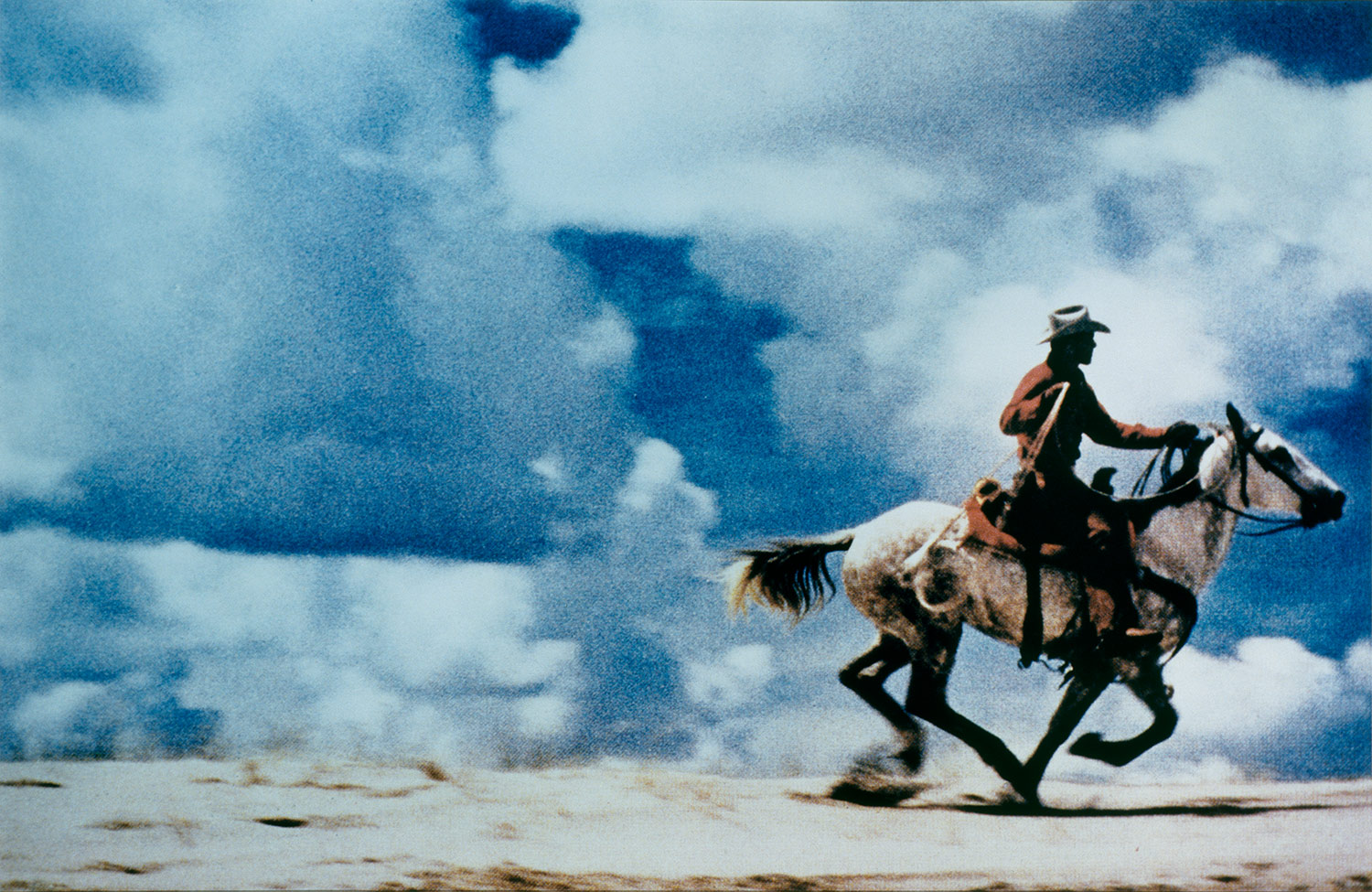
Richard Prince is an American painter and photographer.  He is most known for his re-photography.  Re-photography uses appropriation as its own focus: artists pull from the works of others and the worlds they depict to create a new piece of work.  Richard Prince is known as an appropriation artist.  He uses images from the mass media, and advertisements to make new pieces of art.  He uses other artists’ images in order to make new art.  He changed the rules of authorship and ownership.  Some people believe that since he did not create the original images, he did not create the art.  However, rearranging other pieces of art should be considered art.  Collages are rearranging pictures from mass media and advertisements and should be considered art.  It was that particular artists’ idea to arrange the pictures in that way to make the artwork and therefore that artist should be recognized for their work.  Below are examples of Richard Prince’s artwork, some of which resemble collages.  

Installation Art

Installation art is another type of art that we discussed in class.  I enjoyed talking about this type of art and looking at all the different examples of this art that is exhibited in museums around the world.  In class we looked at Ai Weiwei’s Sunflower Seeds at the Tate Modern.  After looking at various installation artists online, I found many pieces that I thought were interesting.  One artist whose work I enjoyed looking at was Yayoi Kusama.  She is Japanese artist whose paintings and sculptures are environmental installations.  They often involve the use of polka dots and bright colors.  Her works is abstract and conceptual.  Some examples of her art can be seen below.  I really liked her work because of the bright colors and the use of polka dots.